
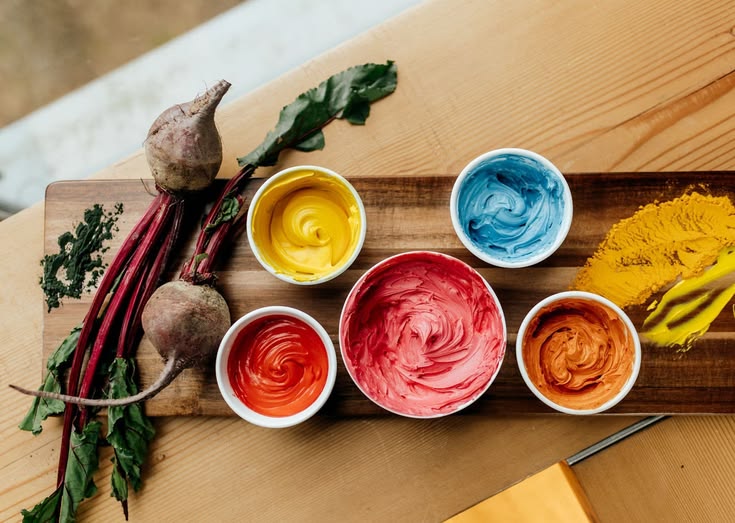
Consumers are under extreme pressure to have labels that are simple and do not contain artificial additives and food developers are under intense pressure. When a natural food colorant is used in the recipe, it also fulfills these requirements without compromising the attractive and appealing appearance of the food product. Today, shoppers are more mindful of what they’re eating and replacing synthetic dyes can make a difference when they’re choosing what to buy at the supermarket. Tech adjustments are a must to get the shade right, but the consumer trust that comes with those adjustments is worth it.
Overcoming Technical Application Hurdles
Manipulating plant extracts demands a high level of knowledge of the interactions of the ingredients in a plant under factory conditions. Natural food coloring may vary in color depending on the pH of the food, unlike a stable synthetic food coloring. For example, anthocyanins found in berries become red at low pH, but may change to an unattractive blue if the pH becomes too high. The developers have to conduct extensive stability tests to ensure that the appearance of the application stays consistent over time.
Managing Processing Temperature
If you are not super careful, you can ruin those fragile plant colors pretty fast when you cook with high heat. This happens a lot during stuff like baking or when making milk safe with pasteurization. During the production cycles, some botanical extracts turn brown or fade due to high temperatures for long durations. Using a natural source, such as beetroot or turmeric, to create a natural food colorant helps to retain the desired hue, as it is heat-stable. It typically takes some adjustment of processing times or changing the point at which color is added.
Retail Shelf-Life Extension
When plant pigments are stored on the supermarket shelves for months, light and air are their worst enemies. Clear packaging may be pretty, but hastens fading, so firms are having to rethink the designs on their outer packaging or add UV protection. A powerful natural food coloring recipe can help to reverse this degradation and help maintain the freshness of the food, without the addition of artificial preservatives. Actual supermarket lighting provides a good indication of the color’s durability.
Sourcing and Regulatory Compliance
Another important procedure in the reformulation of products for export markets is navigating the internationally accepted food safety regulations. The definitions and lists of natural food colorant that are acceptable in consumer products vary from country to country. Products approved for Europe may be restricted in their use or labeling in the U.S. by FDA regulations. To prevent delays and expensive product recalls, sourcing teams need to ensure that they are getting clean documents from suppliers.
Verifying Raw Materials
A consistent supply of agricultural raw materials needs to be achieved through robust relationships with trusted international farming networks. Weather conditions can affect the yield of the crops and the concentration of the active pigments in the crops, which are used for extraction. A good natural food color manufacturer will ensure that each season’s food color strength is comparable and consistent with the others. This eliminates the color shift between each batch in your automated commercial production because you won’t have to make any adjustments during the processing.
Meeting Clean Labels
On the back of the package, consumers want simple words with which they can recognize and pronounce without a chemistry degree. Consumer demand is met with ingredients such as spirulina extract or purple carrot juice concentrate, and fulfills transparency as required by law. It creates instant authenticity for the brand and is in line with the current ‘clean label trend in food. Avoiding customer doubt and making your products pop on the shelves are among the benefits of clear labeling.
Cost Considerations and Value
The cost of the raw materials containing the botanicals is typically higher than that of the extremely low-cost synthetic petroleum dyes. With a high-quality natural food coloring, however, brands can be able to market their products in the premium health and wellness segment of the market. The additional costs involved in the first “reformulation” stage are more than made up for by the additional market share and higher profit margins. It is an investment that will help you keep your product mix in the long run.
Conclusions
The challenge is to balance pigment chemistry, manufacturing considerations and evolving regional regulatory requirements to successfully keep the product line up to date. When you work with the experts at foodrgb.com, you’ll be provided access to premium ingredients and technical support, depending on your application needs. For the best natural food coloring solution for your products, you have to select the right one that will ensure that your products are as visually appealing as they can possibly be and will be in line with the highest clean labeling requirements. With consumer taste continually turning to health and wellness, the need to adjust your color strategy can never be overstated to be competitive in today’s market. Feel free to reach out to our Application Team today to discuss your next product launch and custom colors.