
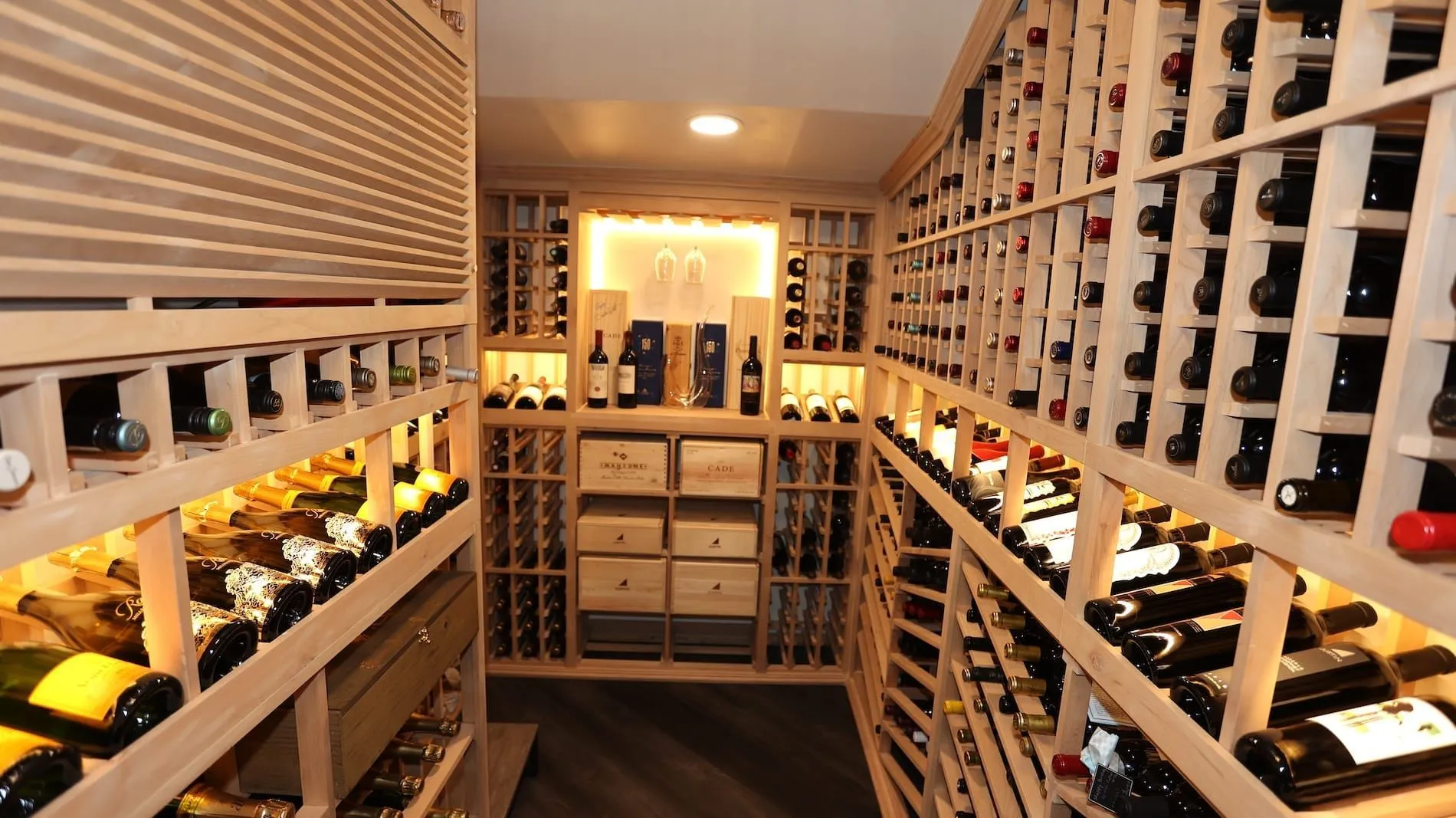
A room that feels cool to the hand isn’t necessarily cool enough for wine, and plenty of owners find that out in August. Picking the right wine cellar cooling system matters more than any shelf or door, because it’s the one component that works every hour of every day. These common myths are worth clearing up before any money changes hands, since each one has cost somebody a few good bottles.
Myth One: Any Air Conditioner Will Do
Standard air conditioners are built to make people comfortable. They pull moisture out of the air and shut off the moment the thermostat is satisfied. Wine wants the opposite: a steady cool temperature with plenty of moisture left in the room, and it wants that around the clock, not just when someone is home to feel it.
Cork reacts badly to dry air. Once humidity sinks well below fifty percent, the stopper can shrink and let oxygen creep in, slowly and invisibly. Equipment made for cellars holds both numbers steady instead of chasing only the temperature, which is why a regular unit tends to disappoint once the first summer arrives.
Myth Two: Insulation Is Optional
Good wine cellar construction starts with the shell, not the machine. If heat pours through walls, ceilings and the floor, even a strong unit will run constantly and wear out early. Foam insulation with a proper R-value does most of the quiet work here, and it pays for itself in lower energy bills over the years.
The vapor barrier matters just as much. It goes on the warm side of the wall, and it has to be continuous, with every seam sealed. A single gap lets moisture condense inside the framing, and nobody notices until a musty smell finally arrives, by which point the wood behind the wall may already be ruined.
Myth Three: A Bigger Unit Is Safer
Oversizing sounds like cheap insurance, but it backfires. A unit that’s too large cools the room in a few minutes, switches off, and repeats the cycle all day long. That short cycling strains the compressor and leaves humidity swinging up and down, which is exactly what you were trying to avoid when you bought extra capacity.
The fix is a proper heat-load calculation. Room volume, wall materials, door type, lighting and the number of people who wander in all feed the answer. Done right, the unit runs in long, gentle stretches and barely seems to work at all, using less power while keeping conditions far more stable than a bigger machine could.
Myth Four: Humidity Takes Care of Itself
Many owners watch the thermometer and forget the hygrometer. In dry climates, the air can fall below the safe range without anyone noticing, while in coastal homes it can drift too high. Both extremes harm bottles slowly and quietly, and the first sign is often a label peeling or a cork that crumbles when you finally open something special.
A basic digital monitor costs very little and tells you the truth. Check it weekly at first, then glance at it monthly once the room settles. Smart sensors can even send an alert to your phone if something starts drifting off course, which is handy when you travel for work and the house sits empty.
Myth Five: Once It’s Installed, You’re Done
Cooling equipment needs a little attention, like any appliance. Coils collect dust, drain lines clog, and filters get tired. A unit that was quiet in spring can turn noisy by summer if nobody ever looks at it, and small problems have a habit of becoming large ones right when the weather gets hot.
Put a yearly service visit on the calendar. A technician can test temperature output, clear the drain and spot early wear before it turns into a breakdown. That small appointment costs a fraction of what a failed compressor does, and it protects every bottle inside while giving you real peace of mind.
Where to Go From Here
If you’re unsure what your space needs, a conversation with specialists beats guesswork. The folks at customwinecellar.com can assess your room and recommend equipment that actually suits it, instead of just whatever happens to be on the shelf, and they can explain the reasoning in plain language.
Wine rewards patience, and the climate it rests in decides how that patience pays off. Get the cold side right, and everything else in the room gets easier, from the racking to the lighting to the simple pleasure of opening a bottle that has aged exactly as the winemaker intended.