
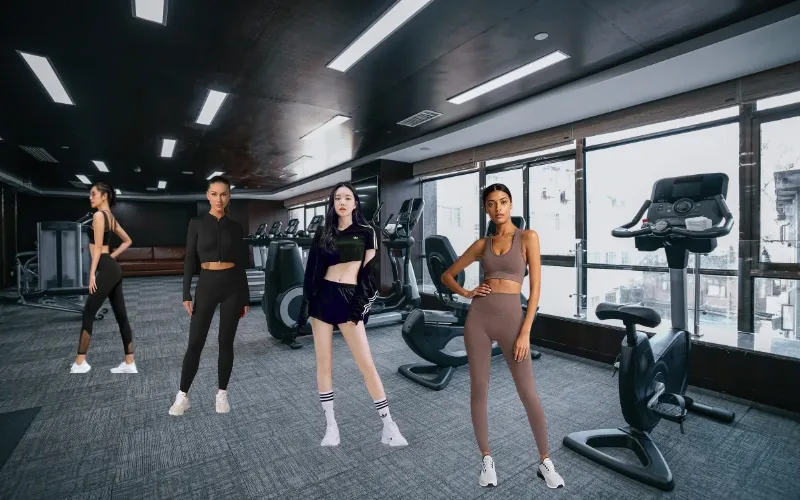
Casual dressing becomes much easier when your clothes feel natural and useful. abestoutfit.com can provide practical inspiration when you want everyday outfit ideas that look relaxed without becoming careless. There is no need to make casual clothing complicated because simple pieces can create surprisingly different combinations. A comfortable shirt, well-fitting trousers, and clean shoes can already create a dependable outfit for many ordinary situations. The difficult part usually comes when every item in the wardrobe seems to demand a different combination. That is where versatile clothing becomes important because useful pieces can be mixed without much planning. Personal comfort should also remain part of every decision because clothing needs to work beyond the first few minutes. Weather, movement, location, and the length of the day can all influence what feels appropriate. Someone spending several hours outside may need completely different clothing from someone staying indoors. Casual fashion leaves plenty of room for these differences, which is probably why it remains popular across many age groups and lifestyles. Instead of trying to copy one exact look, it makes more sense to understand which clothing combinations genuinely suit your routine.
Start With Your Most Useful Pieces
A wardrobe becomes easier to manage when the most frequently worn pieces are treated as the starting point. These might include plain T-shirts, straight jeans, comfortable sneakers, casual shirts, relaxed trousers, or lightweight jackets. There is no requirement for everyone to own exactly the same basics because personal routines naturally affect clothing choices. Someone who lives somewhere warm may need more breathable shirts, while another person may depend heavily on sweaters and jackets. The useful question is always about what gets worn repeatedly. Clothes that stay inside the wardrobe for months are usually not helping much with everyday dressing. A favorite T-shirt can become much more valuable when it works with jeans, chinos, shorts, and different outer layers. The same idea applies to shoes because versatile footwear can support several combinations without looking repetitive. Before buying anything new, look at what already gets regular use. Then consider whether the new item would actually add useful options. This small habit can prevent unnecessary purchases and keep the wardrobe easier to understand. Casual style does not require endless variety when the existing pieces work well together.
Let Comfort Shape Your Choices
Comfort is sometimes treated as something separate from style, although the two can work together very easily. Clothing that feels good throughout the day usually becomes more useful than something attractive but difficult to wear. Trousers should allow comfortable movement without becoming loose enough to require constant adjustment. Shirts should provide enough room around the shoulders and arms for normal daily activities. Shoes should support walking properly when the day involves considerable movement. Fabric also affects comfort because heavy materials can become unpleasant during warm conditions. Lightweight cotton, linen, and softer blends may feel easier when temperatures rise. During colder weather, knitted fabrics and thicker layers can provide useful warmth without requiring overly complicated outfits. Comfort also depends on how clothing behaves while sitting, bending, walking, or reaching. Trying clothes only while standing does not always reveal those problems. A waistband might feel fine initially but become restrictive after several hours of sitting. A jacket might look good but restrict the shoulders when reaching forward. These details matter because casual clothes are usually worn for long periods. The best outfit is often the one you stop noticing once the day becomes busy.
Create Balance With Proportions
Casual outfits can look more organized when the proportions between different pieces are considered. Oversized clothing can look relaxed and modern, but combining several extremely loose pieces may create more volume than intended. A relaxed shirt can work nicely with straight trousers, while wider trousers can pair well with shorter or cleaner tops. This does not mean there are strict rules because personal preference remains more important than fashion formulas. Still, understanding proportions helps explain why certain combinations feel comfortable and balanced. Trouser length can also affect the appearance of shoes and the lower half of the body. Excess fabric around the ankles may create a heavier appearance, while a cleaner length can make footwear more noticeable. Shirt length matters when wearing tops untucked because extremely long hems can change the overall silhouette. Jackets can create another layer of proportion because their length often determines where the upper body visually ends. These details are easier to understand through experimentation than through memorizing complicated styling rules. Try different combinations with the same trousers and several tops. Notice how the outfit changes when only one proportion is adjusted. Small differences can sometimes create a surprisingly large improvement.
Keep Color Combinations Flexible
Color coordination becomes less stressful when clothing is built around several dependable shades. Black, white, grey, navy, beige, cream, brown, and olive can provide useful foundations for casual wardrobes. These colors can work with brighter shades without creating too many matching problems. A plain white T-shirt can support dark denim, beige trousers, olive jackets, or navy overshirts. A brown jacket can work with cream, black, denim, or muted green depending on the rest of the outfit. Stronger colors can be introduced through shirts, jackets, sneakers, bags, or smaller accessories. There is no need to make every item colorful because one noticeable piece can already provide enough personality. Patterns can work similarly when the remaining clothing is relatively simple. A checked shirt can become the main visual detail when paired with plain trousers and understated footwear. Exact matching is also unnecessary because slightly different shades can create a more natural appearance. Similar colors can look especially interesting when different fabrics are involved. A cream knit with beige trousers can feel more detailed because the textures are different. Thinking about color in terms of balance rather than perfect matching makes everyday outfit planning considerably easier.
Give Denim More Variety
Jeans remain extremely useful for casual dressing, although wearing the same denim combination repeatedly can eventually feel predictable. Different washes can create noticeably different appearances without requiring completely different clothing. Dark denim can look cleaner and work nicely with casual button shirts, sweaters, and structured jackets. Medium or lighter denim can feel more relaxed when combined with T-shirts, sweatshirts, and casual sneakers. Straight-leg jeans offer versatility because they can work with several types of footwear and tops. Relaxed jeans provide more room and can suit people who prefer a softer silhouette. The rise of the jeans can also change proportions because it affects where the waistband sits on the body. Denim jackets can add another casual option when temperatures are mild. They can be worn over plain T-shirts, casual shirts, or lightweight knitwear depending on the weather. Different denim shades can sometimes be worn together, although contrast usually makes the combination easier to distinguish. There is no requirement to choose the most fashionable denim cut available. The most useful option is usually the one that feels comfortable and works with clothing already owned. Denim becomes much more flexible when it is treated as one part of the wardrobe instead of the entire wardrobe.
Try Trousers Beyond Denim
Adding alternative trousers can make casual dressing feel different without requiring many additional shirts. Chinos are especially useful because they can remain relaxed while looking slightly cleaner than typical denim. Cotton trousers can provide a softer option when comfort and breathability become more important. Relaxed trousers can create additional room around the legs and work nicely with simple T-shirts or overshirts. Cargo trousers can provide practical pockets and a more functional appearance, although their extra details may require simpler tops. Drawstring trousers can also work for very relaxed situations when comfort becomes the main priority. Color provides another easy way to create variety because beige, olive, navy, charcoal, brown, and grey trousers can all support different tops. A single white T-shirt can look completely different with dark denim, beige chinos, or olive trousers. This makes alternative trousers particularly valuable for people who already own many tops. Instead of buying another shirt, changing the lower half can create a noticeably different outfit. Different trouser fabrics also change the texture of an outfit. Casual dressing becomes much more interesting when denim is not automatically chosen every morning.
Use Layers For Better Options
Layering gives casual outfits more flexibility when temperatures change during the day. A basic T-shirt can be worn underneath an open shirt, lightweight overshirt, denim jacket, or casual bomber. During cooler conditions, sweaters can provide another layer before heavier outerwear becomes necessary. Fabric weight should always be considered because several thick garments can quickly become uncomfortable. Lightweight layers are generally easier to remove when the temperature rises later. Colors can be used to make each layer visible without creating excessive contrast. A lighter inner shirt beneath a darker jacket creates a straightforward combination that works across many casual settings. Similar shades can also work when different textures provide enough visual separation. The length of each layer matters because extremely long inner shirts can change the entire silhouette. Jackets that are too short or too long can also affect the balance between trousers and upper clothing. Layering should provide practical choices rather than turn into an elaborate styling project. Each layer should ideally look reasonable when worn separately. That makes the wardrobe more useful because one jacket can support several outfits instead of becoming connected to only one specific combination.
Choose Shoes For Actual Activities
Footwear should be selected according to both the clothing and the amount of movement expected during the day. Sneakers remain one of the easiest casual choices because they can work with jeans, chinos, relaxed trousers, and many different shirts. White sneakers can create a lighter appearance, while dark sneakers can provide a stronger foundation. Canvas shoes often feel especially casual, whereas clean leather sneakers can create a slightly sharper appearance. Boots can add structure during cooler weather and work particularly well with denim or heavier outer layers. Shoe proportions should also relate to trouser proportions because extremely bulky footwear can overwhelm narrow trousers. Similarly, very narrow shoes can sometimes look small underneath extremely wide trousers. Comfort remains essential because attractive footwear becomes useless if it causes pain after a short period. People who walk frequently should pay attention to fit, cushioning, flexibility, and support. Shoes should also be maintained properly because worn or dirty footwear can affect the appearance of an otherwise simple outfit. You do not need many pairs to create variety. A few comfortable options with different shapes, colors, and purposes can cover most everyday casual situations.
Make Shirts Work Harder
Casual shirts can become much more versatile when they are styled in different ways. A cotton button-down can be worn with jeans, chinos, or relaxed trousers depending on the desired appearance. Linen shirts can provide a lighter option during warm weather, while flannel shirts can add warmth and texture during cooler conditions. Overshirts can act like lightweight jackets when temperatures are moderate. Wearing a shirt open over a plain T-shirt creates an easy layered outfit that requires little planning. Buttoning the shirt and choosing cleaner trousers can make the same piece feel slightly more polished. Patterns can introduce personality without requiring unusual clothing elsewhere. Checks, stripes, small prints, and muted designs are usually easier to combine than extremely large or complicated patterns. When a shirt already contains several colors, simpler trousers can keep the overall combination balanced. Shirt length should also be considered when wearing it untucked. Very long shirts can change body proportions and sometimes make an outfit appear less balanced. Sleeve length and fabric softness matter during long days because uncomfortable shirts are unlikely to become regular favorites. A good casual shirt should offer flexibility without feeling formal or restrictive.
Dress According To Weather
Weather can change the usefulness of an outfit very quickly, especially when temperatures shift between morning and afternoon. Warm weather usually requires breathable fabrics, lighter layers, and clothing that allows comfortable movement. Cotton and linen can work well during hotter conditions when their construction remains lightweight. Cooler weather creates opportunities for sweaters, overshirts, jackets, thicker trousers, and layered combinations. Rain requires additional thought because wet clothing can remain uncomfortable long after the weather improves. Lightweight water-resistant outerwear can be useful when showers are possible but heavy coats would be unnecessary. Weather can also influence accessories because sunglasses, caps, scarves, and warmer hats all have different practical purposes. Seasonal colors can be fun, but there is no requirement to follow strict fashion rules. Personal preference should still guide most color decisions as long as the clothing suits the actual conditions. Checking the expected weather before leaving home can prevent many uncomfortable choices. Wearing several heavy layers during a warm afternoon can become frustrating, while wearing very thin clothing during a cold evening can make the entire day uncomfortable. Practical casual dressing means responding to the environment instead of ignoring it.
Use Accessories With Intention
Accessories can add small personal details without requiring major changes to everyday clothing. A simple watch can provide a useful finishing detail, while sunglasses can combine practical protection with visual interest. Caps, belts, bracelets, necklaces, and bags can also become regular parts of casual outfits when they suit the person’s preferences. A backpack may be useful for commuting, while a canvas tote can work for lighter everyday carrying. Belts can provide support while also connecting trousers with footwear through similar or complementary shades. Accessories do not need to match perfectly because casual outfits usually allow more freedom than formal clothing. If the shirt has a strong pattern, keeping accessories simple may create better balance. A plain T-shirt and neutral trousers can support one more noticeable accessory without looking overly busy. Personal style often develops through these repeated details rather than through expensive statement pieces. The best accessories are usually comfortable enough to become part of normal life. There is little benefit in wearing something that constantly needs adjustment or feels uncomfortable. Small details work best when they feel natural instead of looking like they were added simply to make an outfit appear fashionable.
Be Selective With Trends
Fashion trends can provide useful ideas, although they should not control every casual wardrobe decision. Something popular online may look interesting while being impractical for everyday routines. Before buying a trendy garment, consider whether it works with several pieces already available. A jacket that only matches one specific outfit may not receive enough use to justify the purchase. Trend colors can be introduced more carefully through smaller items such as shirts, sneakers, bags, or accessories. This allows experimentation without changing the entire wardrobe every few months. Personal style should remain recognizable even when popular silhouettes change. There is nothing wrong with ignoring a trend that does not feel comfortable or appropriate for your daily activities. A practical wardrobe can contain dependable basics alongside a few modern pieces that add some freshness. This combination provides room for experimentation while keeping everyday dressing manageable. Trends are most useful when they introduce possibilities rather than create pressure. Buying fewer but more versatile items can also make it easier to understand what clothing actually gets worn. A wardrobe should reflect real behavior rather than an imagined lifestyle built around online fashion images.
Match Outfits To Your Routine
Clothing should be chosen according to the activities that fill the day because casual style is supposed to support real life. Someone walking for several hours may need supportive sneakers and flexible trousers. Someone moving between air-conditioned rooms and outdoor heat may benefit from lightweight layers. A relaxed workplace may require clothing that looks neat without becoming formal. A clean shirt, straight trousers, and understated sneakers can sometimes provide that balance. Adding a structured jacket can make the same combination slightly sharper when needed. Clothing should also allow natural sitting, walking, bending, and reaching without constant adjustment. Pockets may matter when carrying small items without a bag. Fabric comfort becomes especially important when the outfit remains on the body for many hours. The practical details of an outfit can be just as important as the visual appearance. An outfit that restricts movement or becomes uncomfortable quickly is not particularly useful regardless of how attractive it looks. Casual dressing works best when the clothing almost disappears into the routine. You should be able to focus on work, travel, errands, friends, or other plans instead of constantly thinking about your clothes.
Repeat The Combinations You Like
Repeating successful outfits is one of the easiest ways to make everyday dressing less stressful. There is no requirement to create a completely different combination every morning. If an outfit fits well, feels comfortable, and suits the day’s plans, wearing it again is perfectly practical. You can change one piece when you want some variation. A different shirt can change the appearance of the same jeans, while different shoes can alter the overall feeling again. Adding an overshirt or jacket can create another version without buying anything new. Repeating favorite combinations can also help reveal genuine style preferences. You may discover that you consistently choose neutral colors, relaxed trousers, simple sneakers, or lightweight layers. Those patterns can guide future shopping decisions. There is little value in purchasing clothing that looks exciting but rarely gets worn. The wardrobe should support actual habits instead of creating an imaginary lifestyle that is difficult to maintain. Familiar combinations can also make packing easier because you already know which pieces work together. Casual style often becomes more natural through repetition because the wearer becomes comfortable with certain shapes and colors. Clothing that gets worn regularly is usually more useful than clothing that only looks interesting inside a wardrobe.
Look After Everyday Favorites
Casual clothes often experience more frequent washing and wear than formal pieces, making proper care especially valuable. Following garment care instructions can help reduce unnecessary shrinking, fading, stretching, and fabric damage. Some pieces benefit from air drying, while others can handle standard washing methods. Shoes should also receive occasional cleaning because everyday dirt can quickly make simple outfits look less tidy. Small repairs can save useful clothing from unnecessary replacement. Loose buttons, minor tears, and damaged hems can often be fixed before they become larger problems. Storage also matters because heavy sweaters can lose their shape when hung incorrectly. Shirts and jackets generally benefit from suitable hangers that provide enough support around the shoulders. Clothing should be completely dry before being stored, particularly in humid weather. These habits do not need to become complicated or time-consuming. A few simple care practices can help favorite casual pieces remain useful for much longer. This is especially important when certain garments are worn repeatedly throughout the week. Better maintenance can reduce replacement costs while keeping everyday outfits looking cleaner. Sometimes improving a wardrobe is less about purchasing new clothing and more about maintaining the clothing already owned.
Build Variety Without Excess
A useful casual wardrobe does not need to become enormous simply because you want more outfit choices. Variety can come from changing combinations rather than constantly adding new garments. One pair of jeans can work with several tops, while one jacket can support many different combinations. Alternative trousers can provide more change than buying several similar shirts. Different shoes can also shift the appearance of familiar clothing. Accessories offer another small way to change an outfit without taking up much wardrobe space. This approach can make shopping more deliberate because every new item has a clear role. Before buying something, consider whether it fills a genuine gap or simply looks interesting at the moment. If it works with several existing pieces, it is more likely to become a regular favorite. If it requires multiple additional purchases, it may create more complexity than value. A wardrobe should provide enough choices without becoming difficult to organize. Too many unrelated pieces can make getting dressed slower rather than easier. Casual style becomes more enjoyable when there is enough variety to avoid boredom but enough consistency to keep combinations simple.
Conclusion
Casual dressing becomes more practical when clothing is selected around comfort, flexibility, weather, personal preference, and real daily activities. A wardrobe does not need hundreds of pieces to create useful variety because a smaller group of compatible garments can support many different combinations. Plain T-shirts, casual shirts, jeans, chinos, relaxed trousers, jackets, sneakers, and simple accessories can form a dependable foundation for everyday dressing. Fit matters because clothing needs to allow movement while creating a balanced appearance. Color coordination becomes easier when neutral shades provide the foundation and stronger colors are introduced through selected pieces. Denim remains useful, although alternative trousers can prevent everyday outfits from becoming repetitive. Layering can add variety while also helping the outfit adapt to changing temperatures. Footwear should be selected according to both appearance and practical movement because uncomfortable shoes can quickly ruin an otherwise good combination. Casual shirts can be worn in several ways, while accessories can add small details without requiring expensive purchases. Trends can provide inspiration, but they should not control every wardrobe decision or encourage unnecessary spending. Repeating successful outfits is completely reasonable because clothing should be useful rather than constantly replaced. Proper clothing care can also extend the life of frequently worn pieces and keep them looking better for longer. The strongest casual wardrobe is usually the one that fits naturally into the person’s actual routine and makes getting dressed easier. If you want more practical ideas for comfortable everyday outfits, explore abestoutfit.com and discover additional casual styling inspiration that can help you build flexible combinations around your existing wardrobe and personal preferences.
Read also :-