
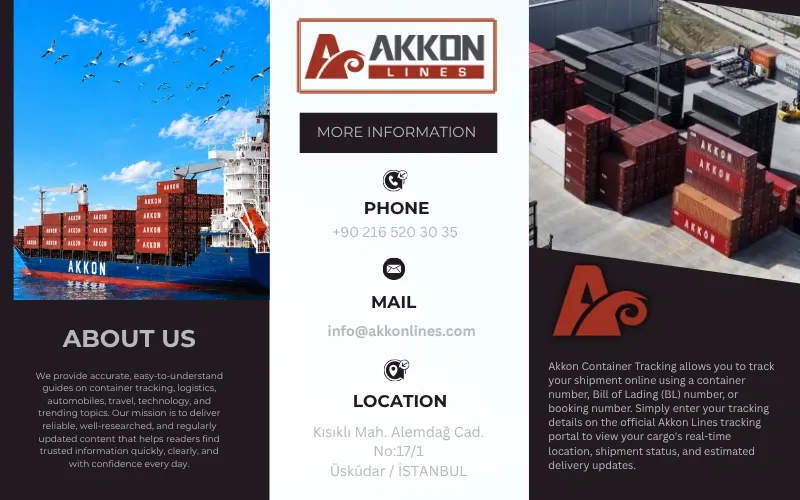
International shipping involves many moving parts, and keeping everything organised becomes much easier when businesses can follow their cargo from start to finish. acouriertracker.com provides a convenient way to monitor container movements, helping users stay informed throughout every stage of the shipping journey. Whether a shipment is travelling across one ocean or moving between several countries, reliable tracking information supports better planning and reduces unnecessary uncertainty.
A single shipping container may pass through factories, warehouses, ports, customs offices, shipping terminals, and inland transport providers before reaching its destination. Every stop creates important shipment data that helps businesses understand where their cargo is located and what stage comes next. Knowing this information allows companies to make better decisions without waiting for manual updates.
Container Tracking Overview
Container tracking is a method of monitoring shipping containers as they travel through international logistics networks. Each container receives a unique identification number that remains unchanged during the complete transportation process.
This number allows shipping companies and logistics providers to record every important movement made by the container. Users simply enter the container number into a tracking system to view available shipment updates.
Unlike parcel delivery services, ocean freight normally produces fewer tracking events because ships travel long distances without stopping. New updates generally appear only when the container reaches another operational checkpoint.
Understanding how tracking works helps businesses avoid confusion during long international shipments.
How International Shipping Works
Before goods begin their journey, they are packed into containers at the supplier’s warehouse or manufacturing facility. The container is then transported to the export terminal where shipping documents are checked and cargo is prepared for loading.
Once onboard the vessel, the container begins its sea voyage according to the shipping schedule. Depending on the destination, the journey may take several days or several weeks before reaching the arrival port.
After unloading, customs authorities inspect documentation and complete the import process. Once clearance is granted, the container continues by truck or rail until reaching its final destination.
Every stage creates tracking information that helps businesses monitor shipment progress from beginning to end.
Benefits Of Shipment Visibility
Reliable shipment visibility has become essential for businesses involved in international trade. Accurate tracking information helps purchasing teams plan inventory while warehouse managers prepare storage space before deliveries arrive.
Retail businesses use shipment updates to avoid product shortages during busy sales periods. Manufacturing companies depend on incoming raw materials arriving on schedule so production continues without interruption.
Customer service departments also benefit because they can provide customers with reliable delivery information based on current shipment status instead of making uncertain estimates.
Improved visibility creates smoother communication across the entire supply chain.
Container Number Basics
Every shipping container carries a standard identification code recognised throughout the global shipping industry. This code includes four letters, several numbers, and a final verification digit that confirms the identification number is valid.
Because millions of containers move through international trade every year, this numbering system prevents confusion between different shipments.
When searching for tracking information, users should always enter the complete identification number exactly as shown on the shipping documents. Even one incorrect character may prevent accurate search results.
Keeping container numbers organised makes future shipment monitoring much easier.
Understanding Tracking Events
Tracking systems display different shipment events throughout the transportation process. Although wording sometimes varies between shipping companies, the sequence usually follows a similar pattern.
An export gate-in update confirms the container has entered the departure terminal before loading. A loaded on vessel status means the shipment has officially been placed aboard the cargo ship.
Once the vessel leaves the port, tracking normally changes to vessel departed. During the ocean voyage, there may be several days without additional updates because the ship continues travelling between ports.
After arriving in the destination country, tracking generally shows port arrival, customs clearance, terminal handling, inland transport, and final delivery confirmation.
Learning these updates helps businesses monitor shipments with greater confidence.
Reasons Updates Delay
Many users become concerned when tracking information remains unchanged for several days. In most situations, this is completely normal during international shipping.
Ocean vessels spend long periods travelling between ports without generating new operational events. During this time, the shipment remains in transit even though the visible tracking status does not change.
Port congestion can also delay updates because busy terminals process thousands of containers every day. Customs inspections sometimes require additional processing before shipments receive import clearance.
Occasionally, software maintenance or communication delays affect online reporting systems without interrupting the actual transportation of cargo.
Understanding these situations helps businesses remain patient while monitoring shipments.
Technology Behind Tracking
Modern container tracking relies on several technologies working together across international logistics operations.
Barcode scanners identify containers during loading, unloading, and storage activities at ports and terminals. Electronic Data Interchange enables shipping companies, customs authorities, freight forwarders, and terminal operators to exchange shipment information automatically.
GPS technology supports inland transportation after containers leave destination ports, allowing transport companies to monitor delivery vehicles more efficiently.
Satellite communication helps shipping lines monitor vessel locations throughout long international voyages. Cloud-based logistics platforms combine information from multiple transportation providers into one convenient dashboard.
These technologies continue improving shipment visibility every year.
Common Tracking Mistakes
Many shipment tracking problems result from simple user errors rather than transportation delays. Entering the wrong container number remains one of the most common issues experienced by first-time users.
Some businesses also expect shipment updates every few hours, similar to domestic courier services. International sea freight operates differently because vessels often travel for several days before another tracking event occurs.
Waiting until the estimated delivery date before checking shipment progress can also create unnecessary pressure if schedules have changed unexpectedly.
Regular monitoring combined with organised documentation helps prevent many common tracking mistakes.
Future Of Container Tracking
Technology continues changing the logistics industry by making shipment visibility faster and more accurate. Artificial intelligence now helps estimate delivery times by analysing weather forecasts, vessel schedules, historical transit data, and port congestion.
Internet of Things sensors allow certain containers to monitor environmental conditions such as temperature, humidity, and movement during transportation. These features are particularly useful for pharmaceuticals, food products, and other sensitive cargo.
Blockchai technology is also gaining attention because secure digital records may improve transparency and simplify document sharing between logistics partners.
These innovations are expected to make container tracking even more reliable in the future.
Best Tracking Practices
Businesses achieve better results by developing consistent shipment monitoring habits. Recording container numbers immediately after booking helps avoid identification errors later.
Keeping shipping documents organised makes communication with freight forwarders much faster whenever additional information is required. Reviewing shipment progress regularly instead of checking only near the delivery date provides more time to respond if schedules change.
Maintaining realistic expectations is equally important because international shipping naturally involves weather delays, customs procedures, and operational changes that cannot always be predicted.
Good planning combined with reliable tracking creates a stronger logistics process.
Final Thoughts
Container tracking has become an essential tool for businesses managing international shipments because it provides valuable visibility throughout every stage of transportation. Accurate shipment information supports inventory planning, warehouse preparation, customer communication, and better operational decision-making.
Although international shipping sometimes involves unexpected delays, understanding tracking events helps businesses respond with confidence instead of uncertainty. Regular monitoring, organised documentation, and effective communication all contribute to smoother supply chain operations.
If you want greater control over your international shipments, use trusted tracking resources, monitor your containers consistently, and make shipment visibility a key part of your global logistics strategy.
Read also :-
india post office international parcel rates