
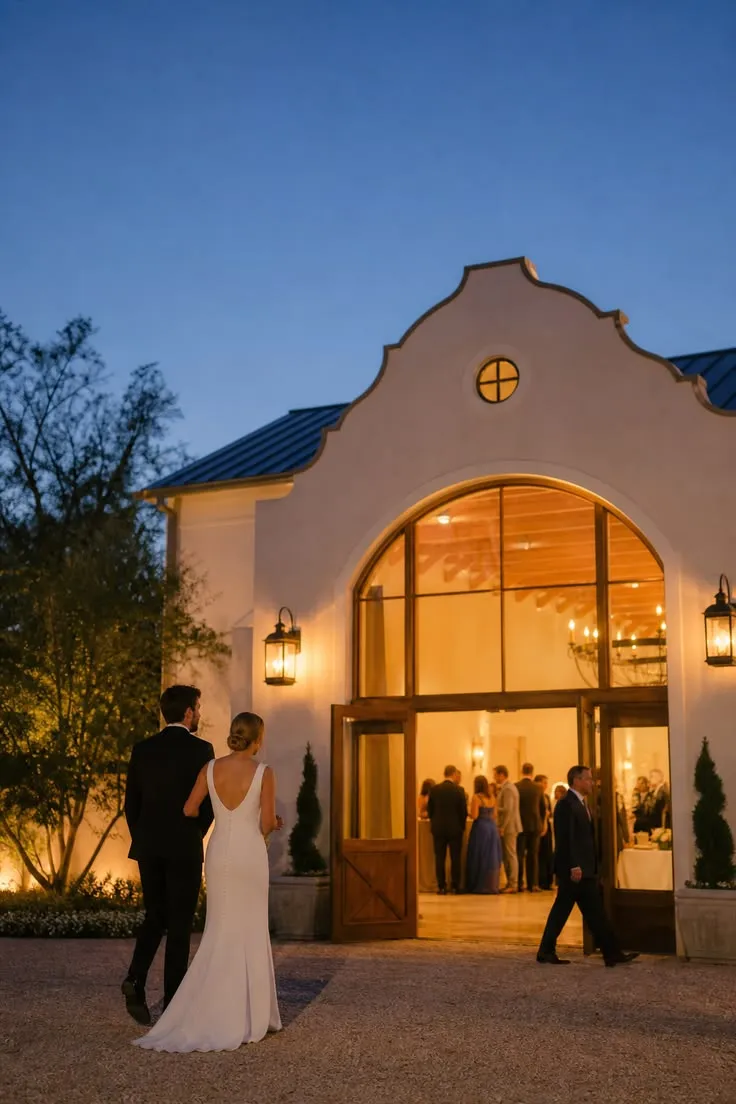
A wedding venue can look perfect in photographs and still come with rules that change how the day can be documented. Restrictions on access times, drones, flash, candles, ceremony movement, or portrait locations may not seem important during an initial tour, but they can affect photography once the schedule becomes real. Couples simply need to understand the boundaries before signing so the photography plan can work naturally within them instead of discovering limitations when there is little time to adjust.
Ask When Photography Access Actually Begins
Some venues allow vendors onto the property several hours before guests arrive, while others have strict access windows. That timing can affect getting-ready photographs, detail images, first looks, and any portraits planned before the ceremony.
Couples interested in Artistic Wedding Photography In Asheville should ask exactly when photographers may enter each space, not only when the rental period begins. A venue may technically be booked for the day while certain rooms remain unavailable until later. Clear access information helps build a realistic schedule without rushing early coverage.
Check Whether Any Areas Are Off-Limits
A scenic property may include gardens, private residences, rooftops, fields, trails, or architectural spaces that appear usable during a tour but are restricted on event days. Couples should ask which areas are available for portraits and whether permission changes with weather, season, or guest activity.
This matters especially when a venue’s strongest visual appeal comes from one particular location. If that spot is unavailable during the wedding, the photographer needs other options nearby. Knowing the boundaries early prevents disappointment and encourages a more flexible portrait plan.
Understand Rules Around Flash and Lighting
Most reception spaces allow professional flash, but churches, historic buildings, galleries, or specialty venues may limit artificial lighting during ceremonies. Some spaces also restrict light stands or equipment in aisles because of safety or guest movement.
These rules do not automatically create a photography problem. They simply change how coverage must be approached. Couples should share any restrictions with the photographer before the wedding so equipment and expectations can be adjusted. Advance information is far more useful than learning about a no-flash rule moments before the ceremony begins.
Clarify Drone Policies Before Expecting Aerial Images
Mountain venues can make aerial photography appealing, but drone use depends on more than open space. Property rules, nearby airspace, weather, safety, and the operator’s responsibilities can all affect whether a flight is possible.
A Hendersonville Wedding Photographer may work around scenic landscapes without relying on aerial images. Couples should therefore treat drone photographs as optional rather than guaranteed. If aerial coverage matters, confirm the venue policy early and discuss alternatives in case conditions prevent flying.
Ask About Ceremony Movement
Some ceremony locations allow photographers to move quietly around the perimeter, while others require them to remain in designated positions. Religious venues may have specific rules about approaching the altar, crossing aisles, or photographing during particular rituals.
Couples should ask the officiant or venue coordinator what is permitted and pass that information on before the wedding. When movement is restricted, the photographer can choose positions in advance and prioritize important angles instead of improvising during a moment that cannot be repeated.
Review Décor and Exit Restrictions
Rules about candles, confetti, sparklers, smoke, flower petals, and similar items can affect both the celebration and the photographs couples imagine. A planned sparkler exit, for example, may not be possible if the property prohibits open flames.
Rather than assuming an alternative will be arranged later, confirm these details while planning. If a favorite visual idea is restricted, there is usually another way to create a memorable ending without violating venue policies or creating unnecessary cleanup and safety issues.
Put Important Rules in the Timeline
Once restrictions are known, they should become part of the actual wedding plan. If portraits must finish before a garden closes, or a ceremony space becomes unavailable immediately afterward, those details should be reflected in the timeline.
This keeps the couple from having to make logistical decisions during the celebration. It also helps photography remain efficient because everyone understands which opportunities are flexible and which depend on a specific time or location.
Conclusion
Venue rules are rarely the most exciting part of wedding planning, but they can influence photography in practical ways. Access windows, restricted areas, lighting policies, drone limitations, ceremony movement, and décor rules all shape what can happen on the property. Couples who ask about these details before booking can plan around known boundaries instead of reacting to surprises. A venue does not need to permit everything to photograph well. It needs clear policies, workable alternatives, and enough flexibility for the celebration to unfold comfortably.