
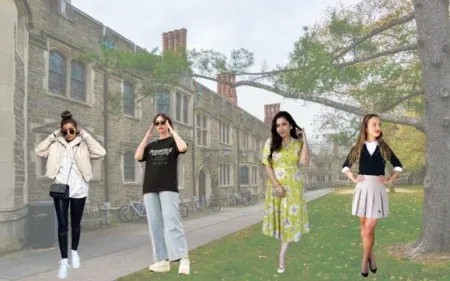
Casual clothing gives people plenty of freedom to dress comfortably without looking careless or unfinished. abestoutfit.com can help readers explore casual outfit ideas, everyday clothing combinations, relaxed styling, wardrobe basics, seasonal dressing, and practical fashion inspiration. Daily clothing does not always need to follow a complicated fashion formula before it looks good. A simple outfit can feel stylish when the colors, proportions, fabrics, and footwear work together naturally. People usually choose casual clothing for ordinary activities such as shopping, commuting, meeting friends, running errands, traveling, or spending time with family. These situations allow more flexibility than formal events, but comfort still matters greatly. Clothing that looks attractive for a few minutes may become frustrating after several hours of walking or sitting. Fit therefore remains one of the most important parts of casual dressing. Fabric also changes how an outfit feels because cotton, denim, linen, jersey, knitwear, and woven materials offer different levels of softness and structure. Weather plays another major role because an outfit suitable for a cool morning may feel uncomfortable after the afternoon becomes warmer. Layering can help solve this problem without forcing someone to carry an entirely different outfit. Color choices also influence the overall appearance, although perfect matching is rarely necessary for casual clothing. Neutral pieces can create an easy base while one stronger shade adds personality. Accessories can provide another small change when someone wants to refresh familiar clothing. Shoes deserve attention because they affect comfort, posture, proportion, and the overall impression of the outfit. A versatile wardrobe does not need dozens of items before it becomes useful. Several dependable pieces can create many combinations when they fit together well. People should also remember that personal style develops through actual use rather than following every trend online. Clothing should support real routines, available budgets, local weather, and individual preferences. The best casual outfit is often the one that feels easy enough to forget while still making the wearer feel confident and prepared. That balance creates a style that is practical rather than forced. Once people understand their own habits, casual dressing becomes faster and much more enjoyable.
Build Around Useful Wardrobe Basics
A dependable casual wardrobe usually starts with pieces that can work across several outfits without requiring complicated styling decisions. Plain T-shirts remain especially useful because they pair naturally with jeans, trousers, shorts, skirts, jackets, overshirts, and casual footwear. Neutral shades provide flexibility, but stronger colors can add personality when the rest of the combination stays relatively simple. White, black, navy, gray, beige, cream, and muted green can support many different combinations. Casual shirts provide another level of structure when someone wants to look slightly more polished without becoming formal. Cotton button-downs, relaxed striped shirts, lightweight overshirts, and simple polos can work across different settings. Bottoms should also provide practical comfort because people move differently during different parts of the day. Straight-leg trousers create a balanced shape, while relaxed cuts offer more room for movement and a softer appearance. Jeans remain popular because denim works with so many tops and footwear choices. Still, a wardrobe becomes more flexible when trousers, chinos, cotton pants, and shorts are also available. Footwear should begin with practical pairs that can survive regular use. Clean sneakers are often one of the easiest choices because they suit many casual situations. A slightly smarter pair can provide flexibility when an ordinary outing becomes a more polished social occasion. Outer layers can complete the basic wardrobe because they change the appearance of familiar clothing without requiring new outfits. A denim jacket, lightweight jacket, cardigan, or overshirt can create several possibilities from the same base pieces. The goal is not collecting a huge number of clothes that rarely leave the wardrobe. It is creating a group of items that work together repeatedly. Before buying anything new, people can consider whether the item connects naturally with several existing pieces. This simple question can prevent unnecessary purchases. Good basics should fit comfortably, remain easy to wash, and suit the activities they are actually used for. A versatile wardrobe makes casual dressing simpler because fewer items need complicated coordination. The clothing can remain relaxed while still looking considered.
Use Color With Simple Confidence
Color can make an ordinary outfit look much more intentional without requiring complicated fashion knowledge. One useful approach is choosing a neutral foundation and adding one stronger color for visual interest. Navy trousers with a cream shirt can create a relaxed combination, while olive trousers with a white top can provide slightly more character. Gray can support many stronger shades because it creates contrast without becoming visually overwhelming. Denim also works as a flexible color because blue jeans pair comfortably with warm and cool tones. People sometimes avoid brighter colors because they assume those pieces will be difficult to combine. Adding one noticeable shade at a time can make experimentation easier. Burgundy, rust, forest green, muted yellow, dusty blue, and terracotta can bring personality without dominating the entire outfit. Intensity matters because several strong colors can compete and make the outfit feel unbalanced. One brighter element usually works well when nearby pieces remain quieter. Shoes and accessories can repeat a similar tone without requiring exact color matching. A brown belt can relate naturally to brown footwear, while a bag can pick up a subtle color already present in the outfit. Perfect matching can sometimes look more formal than necessary for casual clothing. Slight differences can make the combination appear more natural. Seasonal changes can also influence preferred colors without requiring an entirely new wardrobe. Lighter shades often feel fresh during warmer periods, while deeper colors can feel comfortable during cooler weather. Personal coloring can affect which shades feel flattering, but experimentation remains useful. A colorful shirt is often an easier starting point than a brightly colored jacket because it is simpler to combine. The setting should also influence color choices because casual workwear may require greater restraint than weekend clothing. Outdoor activities can allow more playful combinations when the environment is relaxed. Color should support the outfit rather than become the entire subject. The easiest test is whether the combination feels balanced when viewed as a complete outfit. Casual style leaves plenty of room for experimentation because the goal is comfort with personality.
Add Layers For More Options
Layering can make casual wardrobes far more useful because one outfit can change considerably after adding one outer piece. Overshirts, denim jackets, lightweight bombers, cardigans, hoodies, casual blazers, and thin coats can all create different levels of structure. A simple T-shirt and trousers combination can become more polished after adding a structured overshirt. A hoodie can create a softer and more relaxed appearance when worn with simple bottoms. Layering also helps when temperatures change throughout the day. A removable layer can be carried or worn depending on conditions without requiring another complete outfit. Fabric weight deserves attention because several thick pieces can quickly become uncomfortable. Lightweight materials often provide more flexibility and allow easier movement. Proportion also influences how layers appear together. A relaxed outer layer can work well with a straighter bottom, while wider trousers may benefit from a more controlled upper layer. These are not strict rules because personal style varies widely. They simply provide an easy starting point for people uncertain about proportions. Texture can create visual interest even when colors remain neutral. Denim, knitwear, cotton, canvas, and lightweight wool each provide a different appearance without demanding stronger colors. Layering can also make casual outfits more suitable for changing situations. A basic daytime look can become more polished for an evening plan after adding a simple jacket. People should still prioritize comfort because layers that restrict movement will become frustrating quickly. The outfit should remain practical while sitting, walking, commuting, and carrying daily belongings. Pockets can provide useful storage when outerwear includes them, although overloaded pockets can distort the garment. One or two reliable layers can create many combinations from an otherwise small wardrobe. This is useful for people who prefer buying fewer clothes and wearing them repeatedly. The best layers remain easy to combine with existing pieces. They should add warmth, structure, or texture without making the outfit difficult to wear. Casual layering works when the clothing can adapt to real life rather than demanding constant adjustment.
Choose Denim By Lifestyle
Denim remains one of the most dependable casual clothing choices because it can work in many everyday settings. The main decision involves selecting a cut, color, rise, and fabric weight that match personal comfort and existing wardrobe pieces. Straight-leg jeans provide a balanced silhouette that works with sneakers, boots, casual shirts, sweaters, and jackets. Relaxed cuts create additional room and can produce a softer appearance. Slimmer shapes may suit people who prefer a cleaner outline, although comfort should remain more important than following a temporary fashion trend. Dark denim can appear more polished while lighter washes usually feel more casual. Black denim provides another useful option because it can support both light and dark tops. Rise affects proportions around the waist and legs, so people should try different options before deciding which shape feels most natural. Movement remains a useful test because jeans should not become restrictive during sitting, walking, or climbing stairs. Denim jackets also provide useful layering opportunities across several seasons. A jacket can work with trousers, dresses, skirts, shorts, and different shirt styles depending on the overall combination. Fabric thickness matters during warmer conditions because heavy denim may become uncomfortable. Before buying another pair, people should look at how many existing outfits their current jeans already support. A versatile pair can often provide more practical value than several similar pairs. Different footwear can also change the appearance of one denim style significantly. Sneakers create a relaxed mood, while boots or cleaner shoes can create a stronger outline. Accessories should remain reasonably simple because denim already contributes texture to the outfit. The goal is creating outfits that feel different without requiring completely new clothes. Changing the top, shoes, or outer layer can refresh familiar jeans easily. Denim works best when it remains one useful part of the wardrobe instead of becoming the foundation for every single outfit. Lifestyle should guide the choice because someone who walks frequently may need a different fit than someone who spends much of the day sitting. Comfortable denim becomes much more valuable when it can be worn repeatedly without frustration.
Let Footwear Finish The Look
Footwear can change the personality of a casual outfit immediately because shoes influence both comfort and visual balance. Clean sneakers remain extremely versatile because they work with jeans, trousers, shorts, skirts, dresses, and layered combinations. Minimal designs can be especially useful because they do not compete strongly with patterned clothing. White or light sneakers can create a fresh appearance, while darker pairs can be easier to maintain during frequent use. Boots can add structure and become useful when weather is cooler or the outfit needs a stronger finish. Casual loafers can bridge relaxed clothing and slightly smarter combinations without becoming formal. Sandals can provide another practical option during warmer weather when the setting makes them suitable. Comfort should remain a priority because many casual activities involve walking, commuting, standing, and moving for long periods. A shoe that looks impressive but feels uncomfortable will probably remain unused. Trouser proportions can also affect how footwear appears. Wider trousers can sometimes work better with shoes that have enough visual weight. Slimmer trousers may suit lighter and lower-profile footwear. Socks can become part of the outfit too, particularly when trousers are cropped or shorter. Neutral socks remain easy to coordinate, while subtle patterns can add a small amount of personality. Footwear maintenance matters because clean shoes can make a simple outfit look more deliberate. Rotating between different pairs can also help reduce unnecessary wear. People should think about how many outfits a shoe can support before buying another pair. One dependable sneaker and one slightly smarter option can cover a surprisingly large part of casual dressing. A weather-appropriate pair can provide additional flexibility when needed. The exact selection should reflect climate, daily movement, and personal preferences. Shoes can also change an outfit without changing the clothing itself. This makes footwear a practical tool for creating variety. The best casual shoes combine comfort, versatility, suitable proportions, and easy maintenance. When those qualities work together, choosing the final pair becomes much simpler.
Create Relaxed Work Outfits
Workplace casual dressing depends heavily on the actual environment because different offices have different expectations. Some workplaces allow denim and sneakers, while others expect trousers, collared shirts, cleaner shoes, or slightly more structured clothing. People should observe the environment and follow any workplace guidance before choosing everyday combinations. Neatness usually matters even when the clothing itself is relaxed. Straight trousers with a clean shirt can provide a useful foundation when jeans feel too informal. A cardigan, lightweight blazer, or structured overshirt can add polish without turning the outfit formal. Polo shirts, simple button-downs, knit tops, sweaters, and understated dresses can also work in suitable workplaces. Footwear should remain clean and reasonably appropriate for the environment. Neutral colors can make combinations easier when the workplace feels conservative. Accessories can remain simple while still showing personality through watches, belts, bags, or restrained jewelry. Fabric quality often matters more than branding because well-maintained clothing usually looks stronger than expensive pieces that fit poorly. Fit deserves particular attention because overly tight or extremely oversized clothing may become uncomfortable and less practical during long workdays. The job itself can influence clothing decisions as well. Someone working at a desk may prioritize different fabrics from someone who moves around frequently. Commuters should consider footwear and outer layers because travel can involve changing temperatures and substantial walking. Layering can make a work outfit more adaptable when office temperatures differ from outdoor conditions. A structured jacket can also help a casual outfit transition into an evening plan. The most useful work-casual wardrobe contains several dependable combinations that do not require daily experimentation. People can repeat colors and shapes while changing individual pieces. This creates consistency without making every outfit identical. Workplace casual style should remain connected to the actual environment instead of generic internet rules. Once the expectations are understood, dressing becomes much easier. The right clothes should feel professional enough for the setting while remaining comfortable throughout the day.
Style Comfortable Weekend Clothing
Weekend outfits provide more freedom because there is usually less pressure to follow workplace or formal expectations. Comfort can become the starting point, while personal style determines the smaller details. A T-shirt with straight jeans and sneakers can work for many ordinary activities. A casual shirt can replace the T-shirt when someone wants a little more structure. Shorts can become useful during warmer conditions, while lightweight trousers provide another comfortable option. Overshirts, hoodies, jackets, and cardigans can be added when temperatures change throughout the day. Weekend clothing can also support stronger colors and patterns because the setting may allow more freedom. A printed shirt can work when the remaining pieces stay relatively simple. Stripes, checks, small graphics, or subtle texture can create interest without overwhelming the outfit. Accessories can also become more relaxed. Caps, sunglasses, compact bags, watches, and simple jewelry can all fit naturally into casual weekend combinations. The day’s activities should guide the final choice. Someone spending several hours walking may need supportive shoes and flexible clothing. Someone attending a relaxed dinner may prefer slightly cleaner pieces while still avoiding formal dressing. Weather should also remain part of the decision because weekends often involve moving between indoor and outdoor spaces. A removable layer can help when temperatures shift unexpectedly. People can repeat their favorite weekend outfits without feeling that casual clothing must always look different. Changing shoes or outerwear can be enough to create a fresh version. Comfortable clothing should also be easy to maintain because weekend clothes often receive frequent use. Simple fabrics and washable pieces can make the wardrobe easier to manage. The outfit should allow normal movement without constant adjustments. This matters more than adding unnecessary decorative details. Weekend style is at its best when clothing supports the activity rather than distracting from it. A simple outfit can therefore feel stylish when it fits well and suits the person’s actual plans. Relaxed dressing does not require careless dressing. It simply gives people more room to prioritize comfort and personality.
Use Accessories Without Excess
Accessories can add personality to casual outfits, but they work best when they support the overall clothing rather than creating visual clutter. Watches are a practical starting point because they work with many everyday combinations. Belts can connect trousers and footwear when their material and tone complement the rest of the outfit. Bags can serve both practical and visual purposes. Backpacks can suit commuting, while crossbody bags may work better for lighter daily plans. Canvas totes can provide another relaxed option for shopping and casual outings. Sunglasses can become useful outdoors while adding another visual element. Caps and simple hats can also provide sun protection while contributing to a casual appearance. Jewelry gives people another way to express personal style. A simple bracelet, ring, chain, earrings, or small pendant can change a basic combination. The important part is deciding when enough is enough. An outfit with bold patterns may work better with quieter accessories, while a very simple outfit can support one more noticeable piece. Matching every accessory exactly is not necessary. Related tones and materials often create enough connection. Leather, metal, canvas, cotton, woven materials, and knit textures can all create different impressions. Function should remain important because an accessory that looks good but becomes uncomfortable quickly will not receive much use. Seasonal changes can also influence accessories. Lightweight scarves and knit pieces become useful during cooler periods, while sunglasses and caps may be more practical during warmer weather. Accessories can refresh a repeated outfit without requiring a new clothing purchase. This makes them particularly useful for smaller wardrobes. People should also consider whether the outfit still feels comfortable after everything is added. Too many accessories can become distracting during ordinary activities. Simple pieces usually provide enough finishing detail for casual clothing. The accessory should feel like part of the outfit rather than an unrelated addition. When that balance works, even a very basic combination can look considered. Practical accessories are especially valuable because they remain useful beyond one particular occasion.
Dress According To Weather
Weather should strongly influence casual dressing because comfort can change quickly when temperature, humidity, wind, or rain changes. Warm conditions usually call for lighter fabrics that allow easier movement and airflow. Cotton, linen, lightweight blends, and thin woven materials can feel more comfortable during hotter periods. Loose silhouettes can also support airflow depending on the garment and cut. T-shirts, light shirts, shorts, relaxed trousers, and casual dresses can all provide useful options. Footwear should also suit the temperature and amount of walking expected during the day. Cooler weather creates opportunities for sweaters, jackets, cardigans, overshirts, coats, and other removable layers. Several lighter layers can sometimes be more useful than one extremely heavy piece. This becomes especially helpful when morning and afternoon temperatures differ noticeably. Transitional weather can therefore be handled through adaptable clothing rather than rigid seasonal wardrobes. Rainy conditions may require suitable outerwear and footwear that can handle wet surroundings. Bags may also need protection when important items are being carried. Weather should matter more than generic seasonal fashion advice because local conditions vary significantly. Warm humid weather creates different clothing needs from dry cold conditions. Travel can also make weather planning more complicated because temperatures may change between destinations. Flexible layers can help in those situations because clothing can be added or removed easily. Indoor temperatures should also be considered because heavily cooled spaces can feel very different from outdoor conditions. A practical wardrobe contains pieces that can move between several weather conditions. This reduces the need for separate wardrobes while preserving comfort. People should also avoid choosing clothing based only on appearance when the weather makes it impractical. The most stylish outfit quickly becomes a poor choice when it causes constant discomfort. Good casual dressing responds to the environment while still allowing room for personal taste. Weather-aware clothing choices therefore improve both comfort and confidence during everyday activities.
Style What You Already Own
Many wardrobes contain more styling possibilities than people notice because favorite clothes are often combined in exactly the same ways. Choosing one garment and deliberately creating several combinations around it can reveal new possibilities. A plain shirt may work with jeans, trousers, shorts, skirts, jackets, overshirts, and several footwear choices. One pair of neutral trousers can support many different colors and textures on top. This simple exercise can show which wardrobe pieces are genuinely versatile. People can take quick photographs of combinations they like so those ideas remain available on busy mornings. Clothing can also be grouped mentally by practical use rather than by garment category alone. Work-casual pieces, weekend clothing, layering items, warm-weather pieces, and useful footwear can each serve different situations. A single item may belong to several groups when it is flexible enough. Before buying something new, people can ask how many current outfits the item will realistically support. If it works with only one existing combination, it may not add much value. A versatile piece can immediately create several new outfits. Color coordination becomes easier when neutral bottoms support different tops. Outer layers can work similarly because simple jackets and overshirts often pair with several outfits. Texture creates another source of variety without forcing stronger colors. Denim, knitwear, cotton, canvas, and woven fabrics can change the appearance of familiar combinations. Wardrobe visibility matters too because items hidden behind clutter are often forgotten. Keeping frequently used pieces accessible can make outfit selection faster. Casual dressing does not require buying constantly. It can improve simply by changing the way existing clothes are combined. Different shoes can transform one outfit. A new outer layer can create another version. Even a different accessory can change the overall mood. This approach saves money and reduces unnecessary shopping while making the wardrobe feel larger. Personal style often becomes clearer through repeated use because people discover what they genuinely enjoy wearing. The best wardrobe decisions usually come from that experience rather than from temporary trends.
Repeat Reliable Outfit Formulas
Having several reliable outfit formulas can make daily dressing much easier because there is less pressure to invent something completely new each morning. Casual clothing naturally supports this approach because simple combinations can be repeated while small details change. A T-shirt, comfortable trousers, sneakers, and lightweight layer can become one dependable formula. Another may involve a casual button-down, denim, and simple footwear. These combinations can stay familiar while colors and individual pieces change throughout the week. People can create separate formulas for work-casual days, errands, weekends, travel, and relaxed social plans. This does not mean wearing identical clothing repeatedly. It means knowing which proportions and combinations consistently feel comfortable. Outfit formulas can also make packing easier because proven combinations require less thought. A small travel wardrobe becomes more useful when most pieces can work together. Clothing care matters because frequently worn basics need suitable washing, drying, and storage. Shoes can be rotated to reduce wear and keep reliable options available. Repeat outfits should also feel comfortable across the full activity. Constantly adjusting a waistband, sleeve, shoe, or jacket usually means the combination is not working practically. Small changes can keep familiar formulas fresh. A different shirt color can alter the appearance immediately. Another shoe can change the overall tone. A jacket can provide a new silhouette without changing the rest of the clothes. Accessories can create another small variation when needed. This reduces decision fatigue because the basic structure is already known. Creativity can then be saved for days when experimentation feels enjoyable rather than necessary. Casual style becomes easier when reliable formulas create a stable foundation. People gradually discover which combinations represent their personal preferences best. Those formulas can then guide future purchases because new clothing is chosen to support what already works. A practical wardrobe does not need endless novelty. It needs dependable combinations that remain comfortable, suitable, and easy to repeat. That is one of the simplest ways to make everyday dressing more efficient.
Conclusion
Casual outfit ideas become more useful when they focus on real daily life rather than constant pressure to follow every new fashion trend. Comfortable basics, versatile trousers, dependable denim, flexible layers, practical footwear, simple accessories, and weather-appropriate pieces can create a large range of outfits from a relatively small wardrobe. The most valuable clothing is usually the clothing that gets worn repeatedly because it fits naturally into real routines.
Color can create personality through simple combinations built around neutral foundations and one stronger shade. Layering can add variety while also helping clothing adapt to changing temperatures. Denim remains useful when its cut, rise, color, and comfort suit the person’s lifestyle. Footwear can completely change the impression of familiar clothing while also influencing comfort during long days.
Casual work outfits should reflect actual workplace expectations instead of relying on generic fashion rules. Weekend clothing can provide more freedom, but comfort and activity should still guide the choices. Accessories can add useful finishing details when they remain practical and balanced. Weather should always influence clothing because local conditions matter more than broad seasonal styling advice.
People can also discover new outfit possibilities without shopping by combining existing clothes differently. Taking quick reference photographs, organizing clothing by practical use, and testing different layers or footwear can make the existing wardrobe feel much more flexible. Before buying another item, considering how many current outfits it can support is a simple way to make better wardrobe decisions.
Reliable outfit formulas can reduce morning decision-making while still leaving enough space for personal expression. A familiar structure can feel new after changing one shirt, one pair of shoes, one outer layer, or one accessory. Repetition is not a weakness when the clothes remain comfortable and genuinely useful. Consistency can actually help personal style become clearer over time.
Casual fashion should ultimately make everyday dressing easier rather than creating another source of pressure. The right clothes should support movement, weather, activities, comfort, and confidence without requiring constant adjustment. Personal style grows naturally when people notice what they genuinely enjoy wearing and then build around those discoveries.
For readers interested in casual outfit ideas, everyday wardrobe combinations, clothing basics, color coordination, denim styling, layering, footwear, casual work outfits, weekend clothing, accessories, seasonal dressing, outfit repetition, and practical fashion inspiration, continue exploring dependable outfit resources and useful styling guidance. Explore more through abestoutfit.com, experiment with the clothing you already own, choose versatile pieces that support your routine, build reliable outfit combinations, and continue developing a casual wardrobe that feels comfortable, practical, and genuinely personal.
Read also :-