
You know that sinking feeling when you open a box, expecting something precious, and instead find a shattered mess? It’s a moment of pure dread, a silent scream for the time and money you just lost. For anyone shipping breakables—whether it’s handmade pottery, delicate electronics, or artisan glassware—that fear is real. But there’s a quiet hero in the logistics world, a way to wrap your valuables in a cloud of safety without losing your mind or your budget. It’s called air cushion machine packaging, and once you see how it works, you’ll never go back to crumpled newspaper or those annoying foam peanuts that stick to everything.
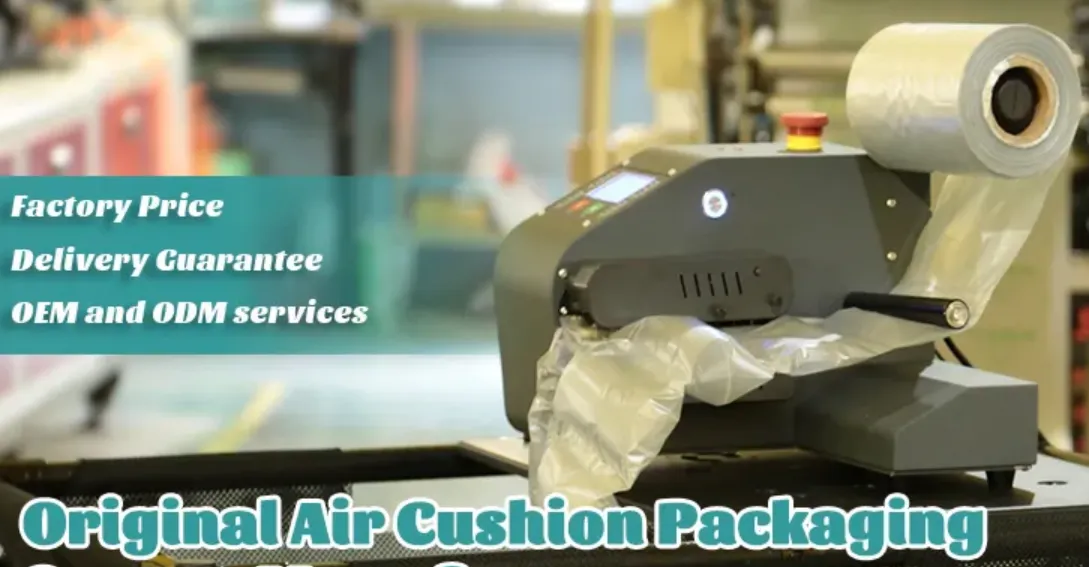
Let’s talk about what an air cushion machine packaging system actually does. Picture a device that takes rolls of plastic film and, using a little heat and pressure, turns them into rows of air-filled pillows. They look like little bubble wraps but without the pre-made sheets you have to buy. You can pump them out on demand, right when you need them, adjusting the size and length to fit almost any space inside a shipping carton. This isn’t just convenient, it’s a game-changer for anyone who ships fragile items regularly. The air cushion machine packaging process is so straightforward that even a beginner can learn it in five minutes, yet it offers the kind of protection that makes professional shippers jealous.
The beauty of this approach lies in its adaptability. Say you’re sending a porcelain vase that’s tall and slim. With an air cushion machine packaging setup, you can inflate pillows to fill the gaps around the vase, creating a custom cradle that hugs every curve. Same goes for a laptop, a set of wine glasses, or a heavy sculpture. You’re not stuck with one-size-fits-all padding. Instead, you get to decide exactly how much cushioning each item needs. Some people worry that air isn’t as strong as foam, but think about how much pressure a properly sealed air pocket can withstand. The key is consistency. An air cushion machine packaging unit ensures each pillow holds the same amount of air, so your protection doesn’t have weak spots that can cause breakage during shipping.
What really makes this method stand out is how it cuts down on waste and storage mess. Remember those giant bags of Styrofoam peanuts that you never finish using? Or the half-empty rolls of bubble wrap that get tangled in a drawer? With air cushion machine packaging, you only create what you need. The film rolls take up very little shelf space compared to traditional materials. And if you run out of pillows for a big shipment, you just make more on the spot. No running to the store, no last-minute scrambling. For a small business owner or an e-commerce seller, this flexibility is gold. You save money by buying raw materials in bulk, but you don’t waste anything because you control the usage. Over time, the cost per package drops sharply, making air cushion machine packaging a smart investment even for modest operations.
Let’s not forget the environment. Sustainability matters to customers, and they’re starting to ask tough questions about packaging. Most air cushion machine packaging film is recyclable, and because the pillows are mostly air, you’re using far less plastic than with thick foam blocks or heavy corrugated inserts. Plus, those pillows can be deflated easily before recycling, reducing their volume. Some suppliers even offer biodegradable film options. Switching to this method gives you a chance to brag about being green—not just because it sounds good, but because it genuinely shrinks your carbon footprint. When you compare the lifecycle of traditional cushioning versus air cushion machine packaging, the latter wins hands down for lower material consumption and easier disposal.
Now, let’s get into the nitty-gritty of day-to-day use. Suppose you have a rush order for ten fragile ceramic mugs, each wrapped individually. With an air cushion machine packaging unit on your bench, you can start wrapping the first mug in seconds. You pull out a strip of pillows, cut it to length, and wrap it around the mug like a noose. Then you drop it into the box and fill the rest of the space with more pillows. The whole process might take a minute per mug. Compare that to cutting foam sheets or blowing up individual bubble wrap bags, and you’ll see a huge time savings. Speed matters when you’re trying to meet shipping deadlines or handle a sudden spike in orders. The air cushion machine packaging workflow is so smooth that it almost feels like cheating.
One thing people often overlook is how forgiving this system is for different skill levels. You don’t need to be a packaging engineer to get great results. An intern, a seasonal temp, or even a family member helping out can learn to use an air cushion machine packaging unit in a few tries. That reduces training time and cuts down on mistakes. The machine itself is usually user-friendly, with simple controls for pillow length and air pressure. Some even have automatic sensors that stop when you’re not feeding film, saving energy. This ease of use means you can tackle fragile items with confidence, even if you’re not a packaging pro. The consistency of the air pockets also means you avoid the common pitfall of over-packing or under-packing, which can lead to damage or wasted space.
Another hidden benefit is how this approach improves the unboxing experience for your customers. Ever had someone complain about a layer of stubborn tape or a pile of messy fill? With air cushion machine packaging, you can create pillows that are easy to remove—just pop them or deflate them. The pillows don’t shed dust, don’t get stuck to the product, and don’t leave behind residue. That means your customer gets a clean, frustration-free opening. And guess what? They’re more likely to leave a positive review or order again. For fragile items, a good unboxing experience can be the difference between a repeat buyer and a refund request. The air cushion machine packaging approach lets you control that narrative from the shipping dock all the way to the recipient’s doorstep.
Let’s talk real-world stories. I once watched a small pottery studio transform its shipping after switching to an air cushion machine packaging system. Before, they used recycled newspaper and bubble wrap scraps, and about one in ten pieces arrived cracked. After switching, their damage rate dropped to nearly zero. They spent less on materials, reduced their packaging time by thirty percent, and their customer satisfaction scores went up. The owner told me that the machine paid for itself within three months just from savings on replacements and refunds. That’s not unusual. For fragile items, the cost of one broken shipment can cover the price of a whole roll of film. The mathematics is simple: fewer breakages mean more profit and less headache.
Of course, you have to pick the right kind of film for your air cushion machine packaging needs. Some films are thicker and better for heavy items, while others are lighter for quick fills. You also might want to consider pre-perforated rolls that tear easily by hand. And don’t forget about the machine itself—there are desktop models perfect for small businesses, as well as industrial units for high-volume warehouses. Match the machine to your average shipping volume, and you’ll avoid bottlenecks. The good news is that most modern units are reliable and low-maintenance, needing just basic cleaning now and then. Once you get in the habit, the whole process becomes second nature.
Now, here’s a thought that might sound weird but proves the point: think of air cushion machine packaging like a good friend who’s always calm under pressure. When your shipment goes through bumpy roads, rough sorting, or careless handling, those air pockets absorb the shock without complaining. They don’t shift around like loose fill, they don’t compress like paper, and they don’t snap like plastic wraps. They just stay there, softly supporting your fragile goods. That’s the kind of reliability you want when you can’t be there to watch your packages travel. Knowing you’ve used air cushion machine packaging gives you peace of mind, even for the most delicate antiques or high-end electronics.
Wrapping up, but not really, because this topic deserves more exploration than one article can give. The simple fact is that air cushion machine packaging has revolutionized how we think about protecting fragile items. It’s not just a tool, it’s a philosophy of using minimal material for maximum effect. For a business like yours, it can be the difference between a satisfied customer and a shipping disaster. If you haven’t tried it yet, grab a small machine, a roll of film, and test it on something you’re afraid to send. You’ll see what I mean. With air cushion machine packaging, you aren’t just packing a box—you’re building a safe little cloud around your most precious cargo. That’s worth every second you invest.