
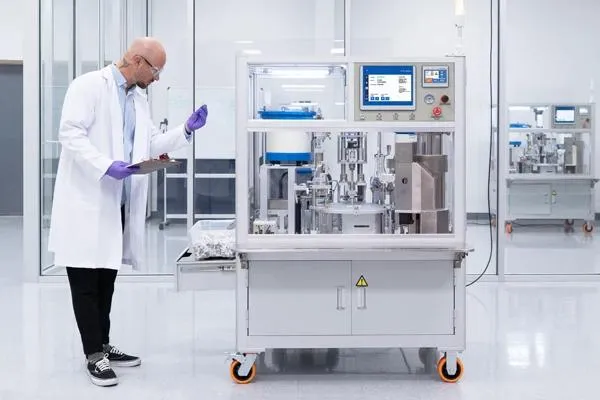
Vape Cartridge Packaging is a specialized area within the wider manufacturing and packaging industry. More broadly, automated packaging technology is transforming modern manufacturing by helping businesses improve workflow consistency, reduce repetitive manual activities, and maintain organized production environments. With advancements in industrial robotics, smart monitoring, and automated inspection, manufacturers are increasingly adopting technology-driven packaging systems to support operational efficiency and quality management.
What Are Automated Packaging Systems?
Automated packaging systems are industrial technologies designed to coordinate packaging-related activities with limited manual intervention. These systems can combine mechanical equipment, electronic controls, sensors, and monitoring software to support consistent manufacturing workflows.
Modern packaging automation is used across several industries, including food and beverage, cosmetics, pharmaceuticals, electronics, and consumer goods. Depending on the application, equipment may include robotic handling systems, automated inspection technology, labeling machinery, and digital production monitoring.
The main objective is to create a more organized manufacturing environment where equipment functions work together efficiently.
How Are Automated Packaging Systems Transforming Manufacturing?
Automation is changing how businesses approach packaging operations. Traditional manufacturing environments often depend on several repetitive manual activities. Modern automated technologies can help coordinate these activities and improve overall process management.
Some important developments include:
1. Improved Workflow Management
Integrated equipment helps coordinate different manufacturing activities and supports a more organized production environment.
2. Consistent Packaging Standards
Automated control systems support repeatable processes, helping businesses maintain consistent packaging standards.
3. Reduced Manual Intervention
Automation can reduce repetitive manual activities and allow employees to focus on quality management, equipment monitoring, and other responsibilities.
4. Better Quality Monitoring
Digital inspection technologies and sensors help identify inconsistencies and provide additional visibility into manufacturing processes.
5. Improved Operational Visibility
Connected monitoring systems provide information about equipment performance and production activities, helping businesses make informed operational decisions.
What Technologies Are Used in Modern Packaging Automation?
Several technologies contribute to the development of advanced packaging systems.
- Industrial Robotics: Supports repetitive handling and movement activities.
- Programmable Logic Controllers: Coordinate equipment functions through programmed instructions.
- Machine Vision: Helps inspect products and identify visible inconsistencies.
- Sensor Technology: Monitors equipment conditions and manufacturing activities.
- Digital Monitoring Systems: Provide operational information to support production management.
The integration of these technologies helps manufacturers develop more connected and organized production environments.
What Should Businesses Consider When Evaluating Packaging Equipment?
Selecting industrial packaging equipment requires an understanding of business requirements, equipment specifications, and applicable industry standards.
Businesses researching the Best Vape Packaging Machine may come across different equipment categories and technical specifications. However, evaluating specialized machinery should always involve careful consideration of regulatory requirements, product compatibility, workplace safety, and quality standards.
More generally, important factors when evaluating industrial packaging equipment include:
- Equipment specifications and intended applications.
- Compatibility with existing manufacturing systems.
- Quality inspection and monitoring capabilities.
- Workplace safety and regulatory compliance.
- Maintenance requirements and technical support.
- Long-term operating costs and scalability.
A detailed evaluation helps businesses understand whether a particular automation solution aligns with their operational objectives.
How Does Robotics Improve Packaging Technology?
Robotics plays an important role in modern industrial automation. Robotic systems are used in manufacturing environments to support material handling, repetitive movements, inspection activities, and equipment coordination.
When integrated with digital monitoring and control technologies, robotics can help businesses improve production visibility and maintain consistent operating standards.
The broader development of a Vape Packaging Machine reflects the specialized equipment segment within the packaging technology market. Across manufacturing industries, equipment innovation continues to focus on automation, reliability, quality management, and compliance with relevant standards.
What Are the Latest Trends in Automated Packaging?
The packaging industry continues to evolve through technological advancements and changing manufacturing requirements.
Some important trends include:
Artificial Intelligence: AI-based monitoring technologies are increasingly being explored for equipment analysis and manufacturing management.
Smart Manufacturing: Connected machinery provides operational information that helps businesses monitor performance.
Machine Vision Technology: Automated inspection systems support quality assessment and defect identification.
Robotic Integration: Industrial robots are becoming more widely integrated into manufacturing environments.
Predictive Maintenance: Equipment monitoring helps businesses identify potential maintenance requirements and plan servicing activities.
These developments demonstrate how automation is becoming an important part of modern manufacturing strategies.
What Is the Future of Automated Packaging Systems?
The future of automated packaging will be influenced by advancements in artificial intelligence, industrial robotics, machine vision, and connected manufacturing systems.
Businesses are increasingly exploring technologies that provide better production visibility, improve equipment coordination, and support long-term operational planning.
As manufacturing requirements continue to evolve, automated packaging solutions will remain an important consideration for companies looking to modernize their industrial facilities. Successful implementation depends on selecting suitable equipment, understanding regulatory requirements, and prioritizing workplace safety and quality management.
Conclusion
Automated packaging systems are transforming modern manufacturing through robotics, digital monitoring, advanced inspection, and integrated equipment technologies. These developments help businesses improve workflow management, maintain consistent standards, and plan more efficient manufacturing environments. Understanding emerging packaging technologies is essential for businesses exploring industrial automation. Xylem Robotics is associated with industrial automation and robotics solutions, reflecting the growing importance of advanced technology in modern manufacturing.