
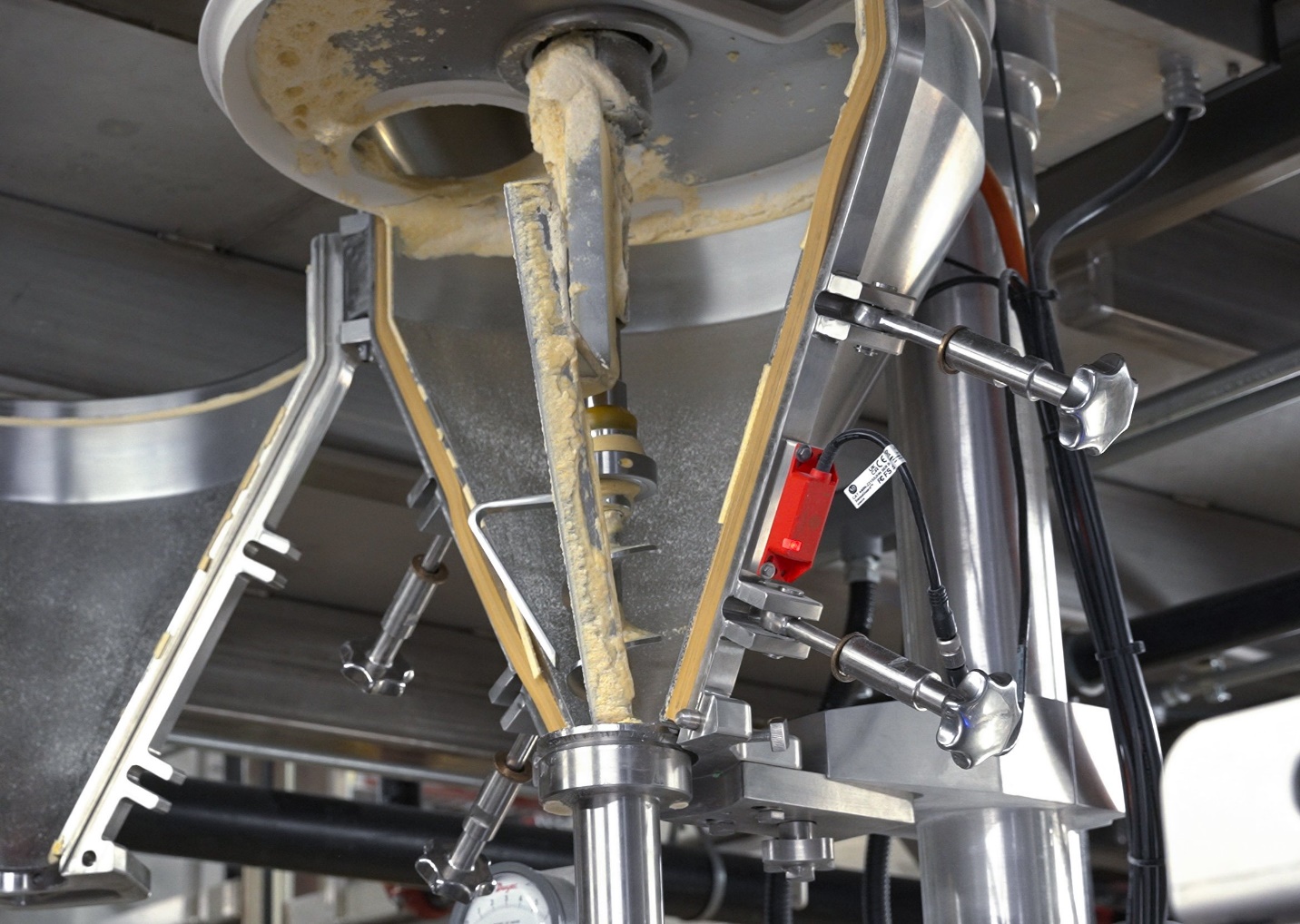
A production line once stalled for hours because a filler failed mid-shift. That moment explains everything. Modern packaging demands accuracy, speed, and consistency without excuses. This article explores how advanced filling technologies reshape industrial operations, focusing on automated systems that reduce waste, increase throughput, and maintain quality. The core discussion centers on efficiency, adaptability, and why intelligent filling solutions matter today. Big stakes.
Automation Reshaping Modern Packaging Lines
Packaging floors have evolved from manual setups into synchronized systems driven by automation. Machines now respond faster than human hands ever could. The introduction of automatic rotary fillers into high-volume environments has changed expectations around speed and uniformity. These systems rotate continuously, handling containers with steady precision. Downtime drops. Output rises. Manufacturing finally feels predictable again.
Engineering Accuracy For Consistent Output
Precision remains the silent benchmark in packaging operations. Even small deviations can lead to product loss or compliance issues. Auger filling machines address this challenge through controlled screw-based dispensing that handles powders and granules smoothly. Consistency becomes routine rather than a goal. This level of accuracy supports brand trust while keeping material costs in check. No drama. Just results.
Speed Meets Control In Filling
High-speed production often clashes with quality control. That conflict no longer defines modern plants. With advanced sensors and programmable settings, rotary systems maintain a balance between velocity and precision. Automatic rotary fillers operate smoothly even at elevated speeds, ensuring each container meets weight requirements. The process feels effortless. Almost calm. Control stays intact while speed increases naturally.
Adaptability Across Product Variations
Production lines rarely handle a single product forever. Flexibility matters more than ever. Auger filling machines adapt easily to different densities and flow characteristics, making them suitable for diverse materials. Adjustments happen quickly, without complex retooling. This adaptability reduces changeover time and supports growing product portfolios. A quiet advantage. Often overlooked.
Hygiene Standards And System Design
Cleanability influences equipment selection just as much as performance. Packaging environments demand sanitary designs that prevent contamination. Smooth surfaces, minimal crevices, and easy disassembly define modern filling systems. Both rotary and auger-based technologies now align with strict hygiene standards. Compliance becomes simpler. Audits feel less stressful. Confidence improves across operations.
Long-Term Efficiency And Value
Investment decisions extend beyond purchase price. Long-term efficiency defines real value. Reduced waste, lower maintenance needs, and consistent output justify automation costs over time. Automatic rotary fillers contribute through durability and steady operation, while auger filling machines support precise dosing with minimal product loss. Together, these technologies strengthen operational stability. Quietly powerful.
Conclusion
Industrial packaging continues to move toward smarter, more reliable systems. Precision, speed, and adaptability are no longer optional features. They are expectations. Automatic rotary fillers and auger filling machines represent this shift toward controlled efficiency and operational confidence. The future of packaging belongs to technologies that work consistently, scale easily, and simply perform. No compromise.
