
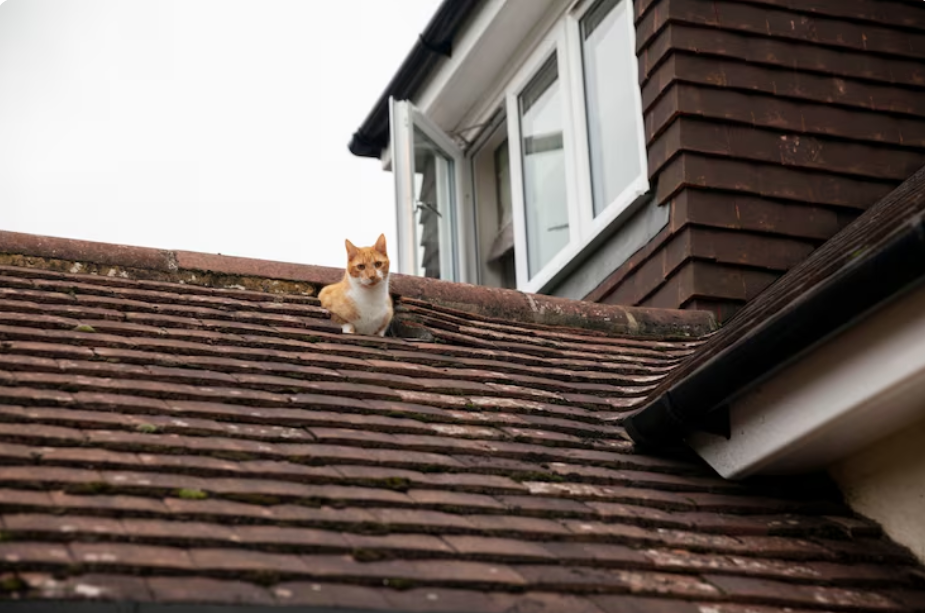
Rodents in your house are not so pleasant to live with, particularly when you hear scratches, scampering or squeakings in the house at night. As much as you may suppose that pests would be more at ease in the vicinity of food, a good number of them prefer roof holes and ceiling areas to the open spaces. The answer to this question will help resolve the problem of infestations and prevent them from happening again.
Rodents often choose attic spaces because they offer safety, warmth, and minimal disturbance. Effective pest control requires inspecting roof areas, addressing entry points, and understanding why rodents nest there. Professional support, proper roof installation, and ongoing pest control services help prevent infestations from returning.
Why Rodents Avoid Visible Spaces
Rodents are also prey animals in nature; they shun open and exposed environments, which can easily be detected by predators. Roof spaces, such as attics and ceiling spaces, provide darkness, hiding, and a feeling of safety, which is lacking in open spaces. These secluded areas mimic the sheltered burrows they would choose in the wild because:
- They are undisturbed by humans most of the time.
- They offer minimal exposure to light and movement during the day.
- Sounds and activity of the household below are muffled, which rodents interpret as less risk.
Due to these characteristics, rodents such as rats and mice feel safer nesting and moving within the cavities of the roofs as compared to the lively and open places of living. The decision is usually a survival tactic.
Why Roof Cavities Offer Safety
Warmth and Protection from Weather
Spaces between the roofs offer a warmer and drier environment than ground-level crawl spaces or outside burrows. Rodents usually seek shelter in areas that shield them against the weather, especially in cooler seasons or when it is raining heavily. Roof cavities also remain drier and warmer regularly – especially when there is insulation – and thus are perfect nesting areas.
Stealth and Low Disturbance
Such animals as black rats (or roof rats) are good climbers and are by nature inclined towards high places. They use trees, fences and utility lines to gain access to roofs. When they are indoors, they take advantage of the darkness and the elaborate nature of roof spaces to move about and nest without being disturbed by man so often.
Abundant Nesting Materials
Roof spaces tend to have loose insulation, timber offcuts, materials or other soft substances that rodents may shred to nest in buildings. This is an easy supply of nesting material as compared to open rooms where people live. The bits of insulation, shedding or cloth contribute to the creation of insulated nests that are safe in the eaves.
How Roof Condition Affects Rodent Nesting
Entry Through Small Gaps
Rats and rodents can squeeze through incredibly small holes, requiring a hole of about 6-8 mm, but even less, in the case of mice, and a fraction more in the case of rats. Entry points are through weaknesses in the roofline, which may be a crack in the tiles, a hole around vents, eaves, fascias or broken screens. The shrubs/trees that touch the roof can serve to provide the rodents with access to these openings.
An improper or aged roof system may leave unnoticeable yet very important vices. Even cracks that are formed in the course of bad roofing can be the access points when they are not covered with proper rodent-proof materials. After the rodents enter the structure, they track beams and wires and insulation channels in search of the most serene locations to nest.
Structural Features That Appeal to Rodents
Insulated ceiling cavities, joists, crawl spaces and gaps give rodents pre-built routes into the interior of the building. These paths enable them to settle down without necessarily moving through open spaces of living, where they are more exposed to being detected and disturbed.
Why Extermination Must Include Roof Checks
By the time individuals realise that there is rodent activity, by hearing sounds or seeing droppings, it is usually too late. Roof areas are mostly ignored during treatments of pests, but this is where many rodents spend their time and breed.
Attic and Roof Cavities Are Primary Nesting Sites
Rodents in roof spaces can cause serious issues beyond mere nuisance:
- Damage to insulation, gnawing on it for bedding and weakening thermal efficiency.
- Chewed electrical wiring poses serious fire hazards.
- Contamination from droppings and urine affects air quality and surfaces in the cavity more than in living spaces.
It is also possible that because the roof spaces are frequently distant from everyday human activity, significant colonies of rodents have formed before anyone notices. This is the reason why a professional rodent exterminator or a pest control company needs to inspect the cavities of ceilings as a part of the full treatment program and not only place traps in the visible living spaces.
Long-Term Deterrence Methods
Seal and Secure Entry Points
It is essential to close all the possible points of entry. This incorporates openings in the roof vents, eaves and utility holes. To be rodent-proof, these weak spots are commonly filled in with fine mesh and steel wool, as well as at the ground level and at roof height.
Landscaping Considerations
Rats are good climbers, and hanging branches of trees, vines, or shrubs close to the roof can serve to form a bypass to your roof space. Eliminating them will lessen rodents’ chances of entering your house.
Professional Pest Control
A continuous association with an extermination administration support provides not only the preliminary treatment but also constant monitoring and prevention. Professionals can have safe access to roof holes, detect nesting areas and adopt specific measures that can reduce re-establishments.
Regular Maintenance
Regular inspections of roofing materials, level of insulation and any traces of gnawing or droppings will identify problems early. When the repairs are done immediately after storms or observed house movements, the likelihood of small roof issues turning into rodent highways is minimised.
Wrap-Up: Removing Preferred Habitats
The roof cavities are the type of habitats that rodents favour instead of living in the open fields since they are safe with warmth and the least disturbance, which are good conditions that enable the survival and reproduction of the rodents. Attics are ideal habitats for rodents that are not controlled because of the sheltered cavity on the roof, prepared nesting materials, and concealed access points.
In order to effectively address a rodent problem, it is necessary to do more than put traps in domestic environments. Roof spaces should be inspected and treated, preferably by a professional like a rodent exterminator, as part of a comprehensive approach that also entails building security, a better condition of the roofing structures, and the use of regular pest control service inspections.
Preventive care, repairs and intelligent structural solutions, like having a good roofing system installed means that you can eliminate the very environment rodents prefer, therefore making your home not so attractive to rodents.
FAQs
- Why do rodents choose roof cavities over my living areas?
Rodents prefer roof cavities because they are dark, warm, quiet and undisturbed, offering excellent shelter and nesting opportunities compared to open living spaces.
- Can rodents enter roof spaces through tiny gaps?
Yes — rodents can squeeze through gaps as small as a pencil diameter, and once inside a roof space, they can travel freely along insulation and beams.
- Are roof rodents dangerous?
They can be — roof rodents can chew electrical wiring, damage insulation, and contaminate spaces with droppings and urine, posing property and health risks.
- Do I need professional help to deal with roof infestations?
Yes. A rodent exterminator or pest control service can properly assess, treat and prevent rodent infestations, including hard-to-reach roof cavities.
- How does a proper roof help prevent rodent entry?
A well-executed roof installation helps eliminate entry points and reduces vulnerabilities that rodents can exploit, particularly around eaves, vents and roofing joins.
- Are roof rats common in Australian homes?
Yes — agile roof rats are often found in elevated spaces like roof cavities because of their climbing ability and preference for dry, secure nesting areas.
